Chirp Chirp
Optimization System for Bird Rescue.
Overview
A bachelor semester project in 2022 exploring the intersection of service design and environmental stewardship to transform the uncertainty of wildlife encounters into structured, informed, and transparent bird rescue actions.
Design Background
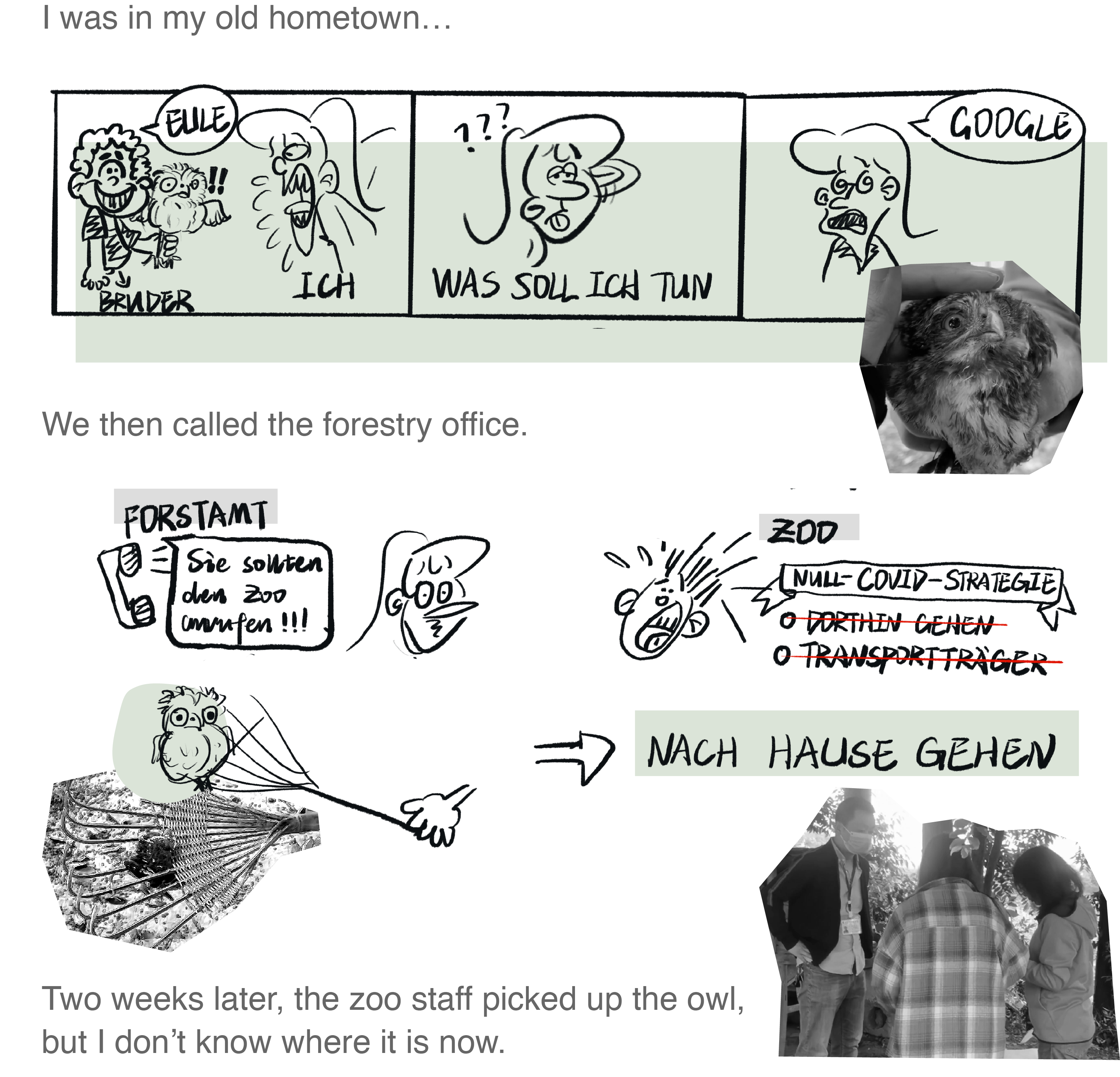
I talked with a friend about my difficulties in rescuing an owl. Many people encounter injured birds, but they often don't know what to do or end up injuring the birds even more due to a lack of expertise.
Therefore, I would like to design a bird rescue system for environmentally conscious people who are willing to save birds. The system should have the following features:
- Provision of assistance channels and instructions
- Provision of rescue tools
- Updating the rescue status and providing feedback to rescuers
Design Process
Design Thinking is a human-centered method for problem-solving. Since this project was inspired by a problem I personally experienced, and driven by the desire to solve it, I decided to use this framework to guide me through the entire design process.

Emphasize
Interview & Survey
I conducted online interviews and distributed surveys to better understand people's opinions and experiences regarding bird rescue. This helped me to highlight the needs of different target groups.
Empathy Map
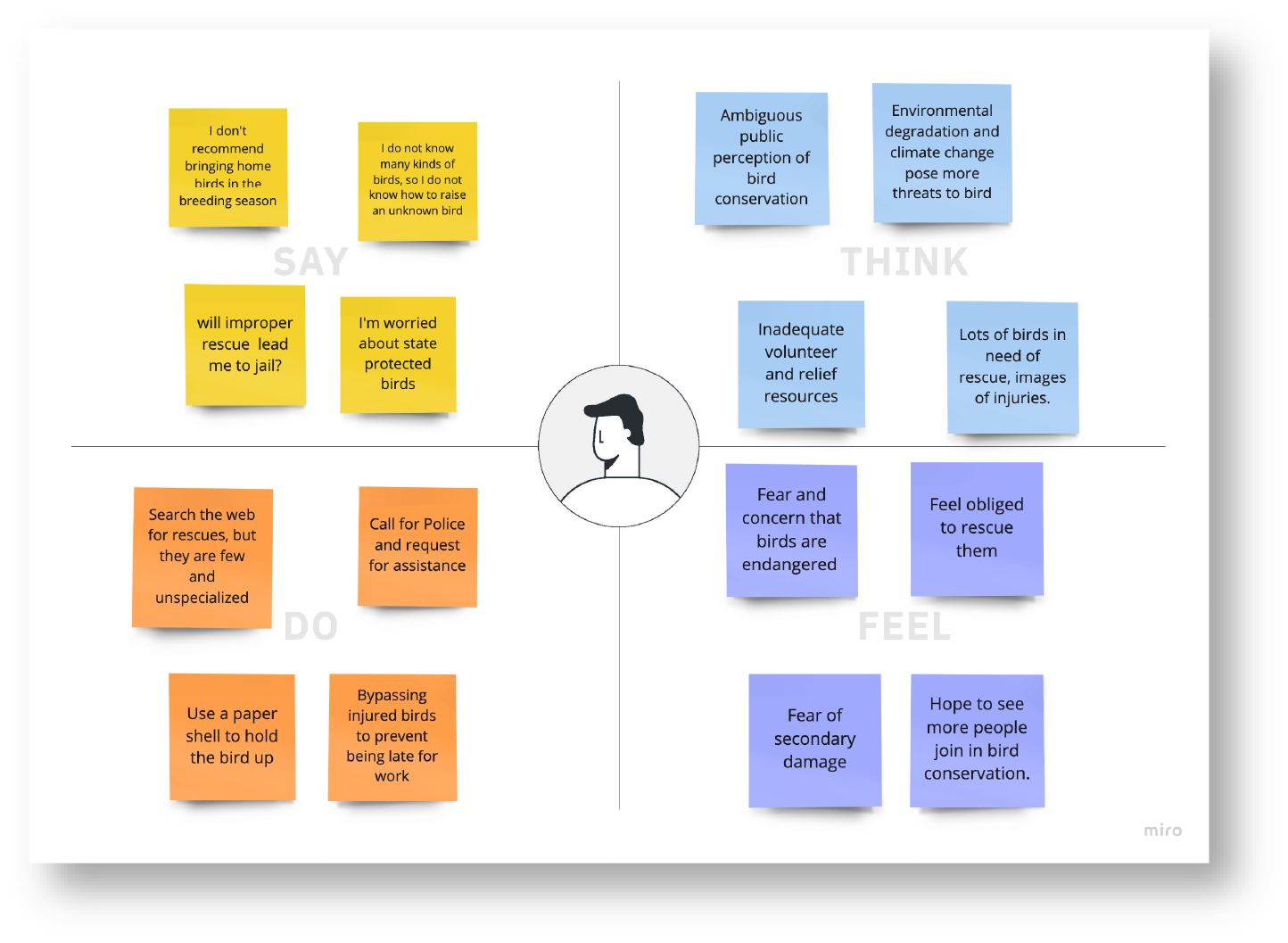
I summarized and analyzed the data from the interviews and surveys and created an empathy map to study the behavior and thoughts of various user groups.
Persona
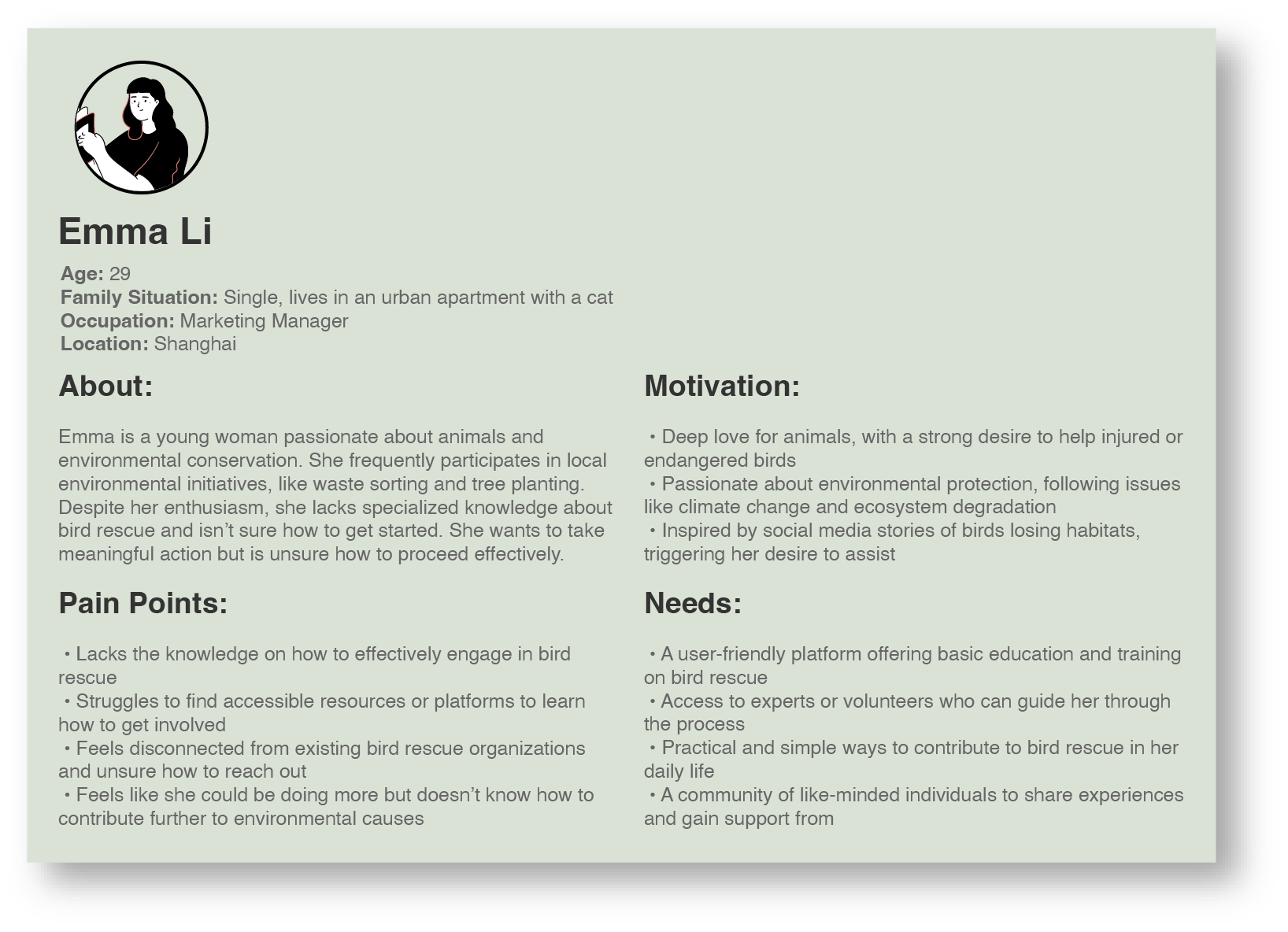
I analyzed and summarized the collected data to use it for personalizing the users. From this, I created four personas that represent the larger user groups.
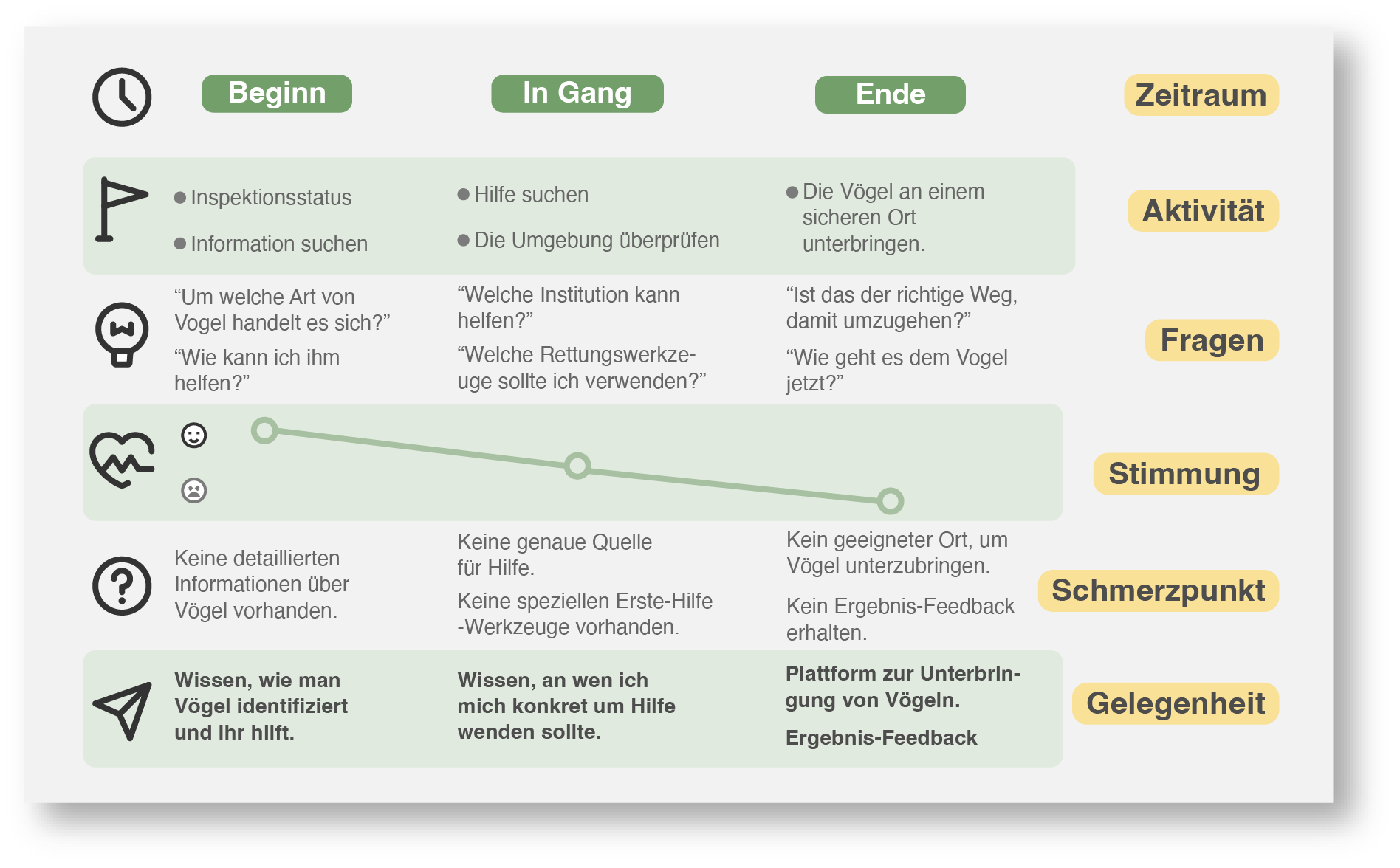
User Journey Map
With the help of a User Journey Map, the actual needs of the users can be recognized more clearly, and the potential needs of users in situations without Chirp Chirp can be explored.
Define
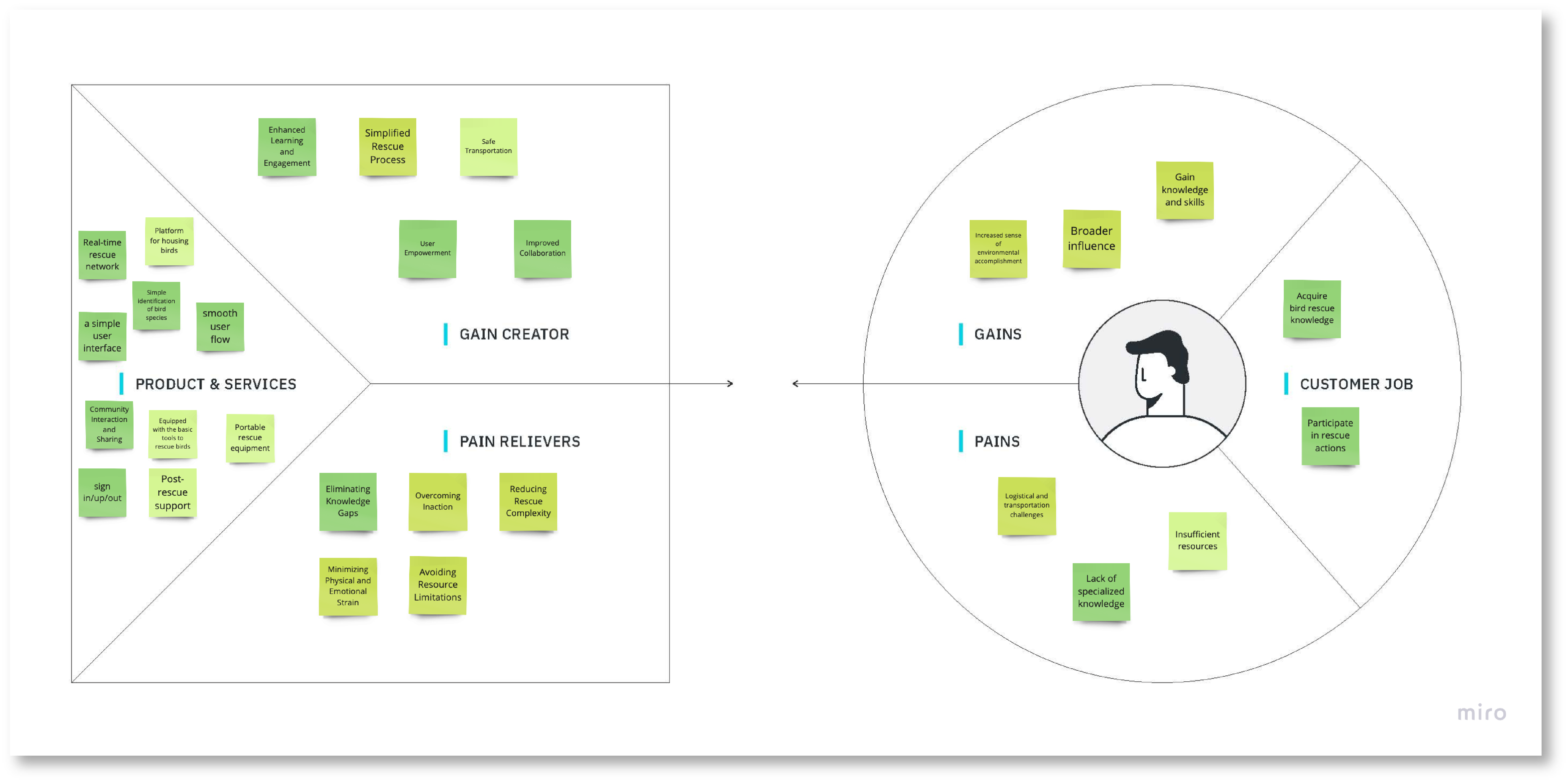
Value Proposition
In this phase, I summarized the pain points and needs of the existing rescue processes through problem hypotheses and statements and suggested feasible solutions.
Ideate
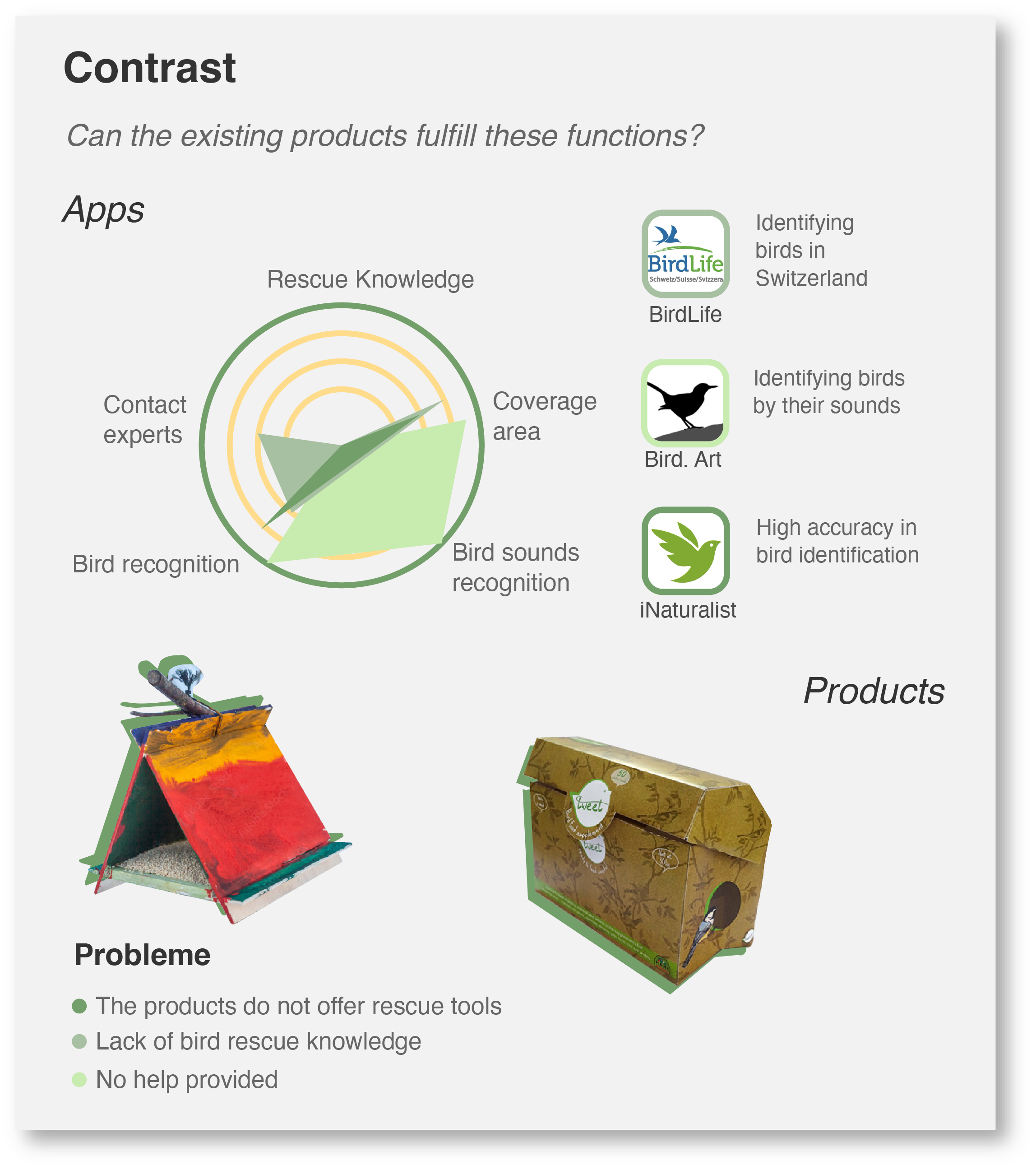
Competitive Audit
By studying the strengths and weaknesses of competing products, I gained a clearer understanding of how this project can evolve.
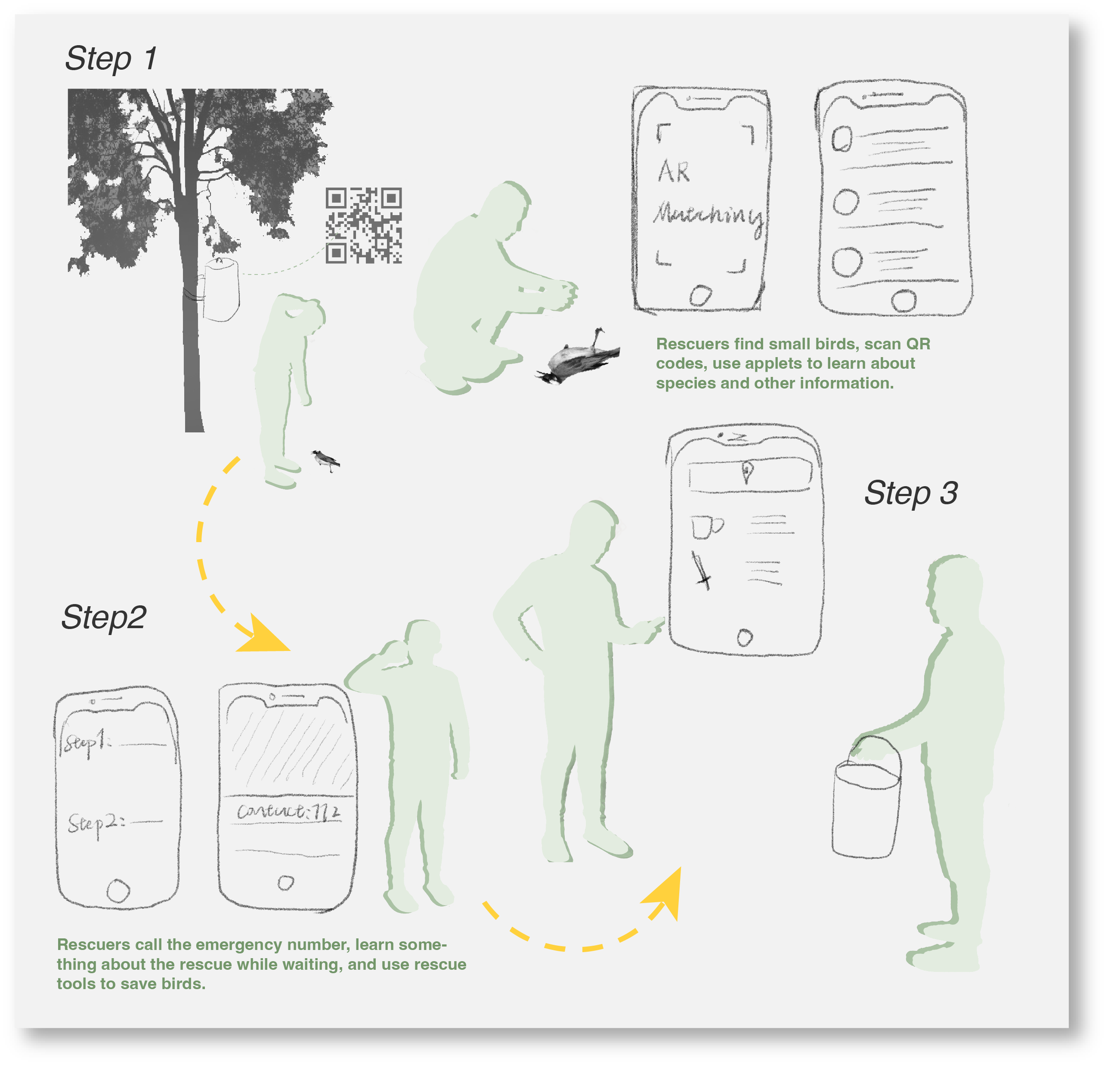
Story Board
By visualizing this system, we can clearly understand the usage scenarios and workflows.
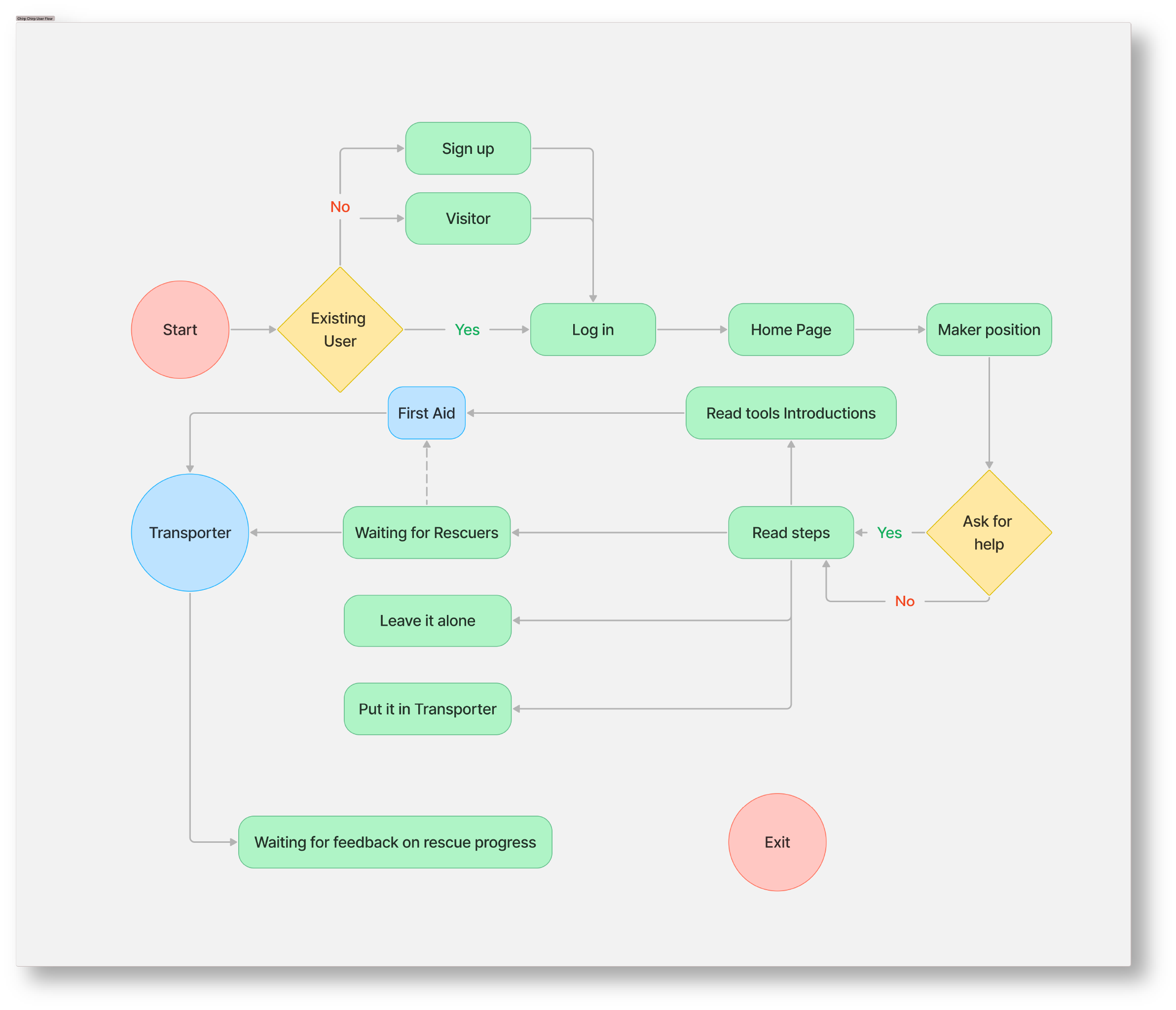
User Flow
By predicting the user processes during the use of the product, the flow is connected and checked to ensure that all important requirements are met and functionality transitions run smoothly.
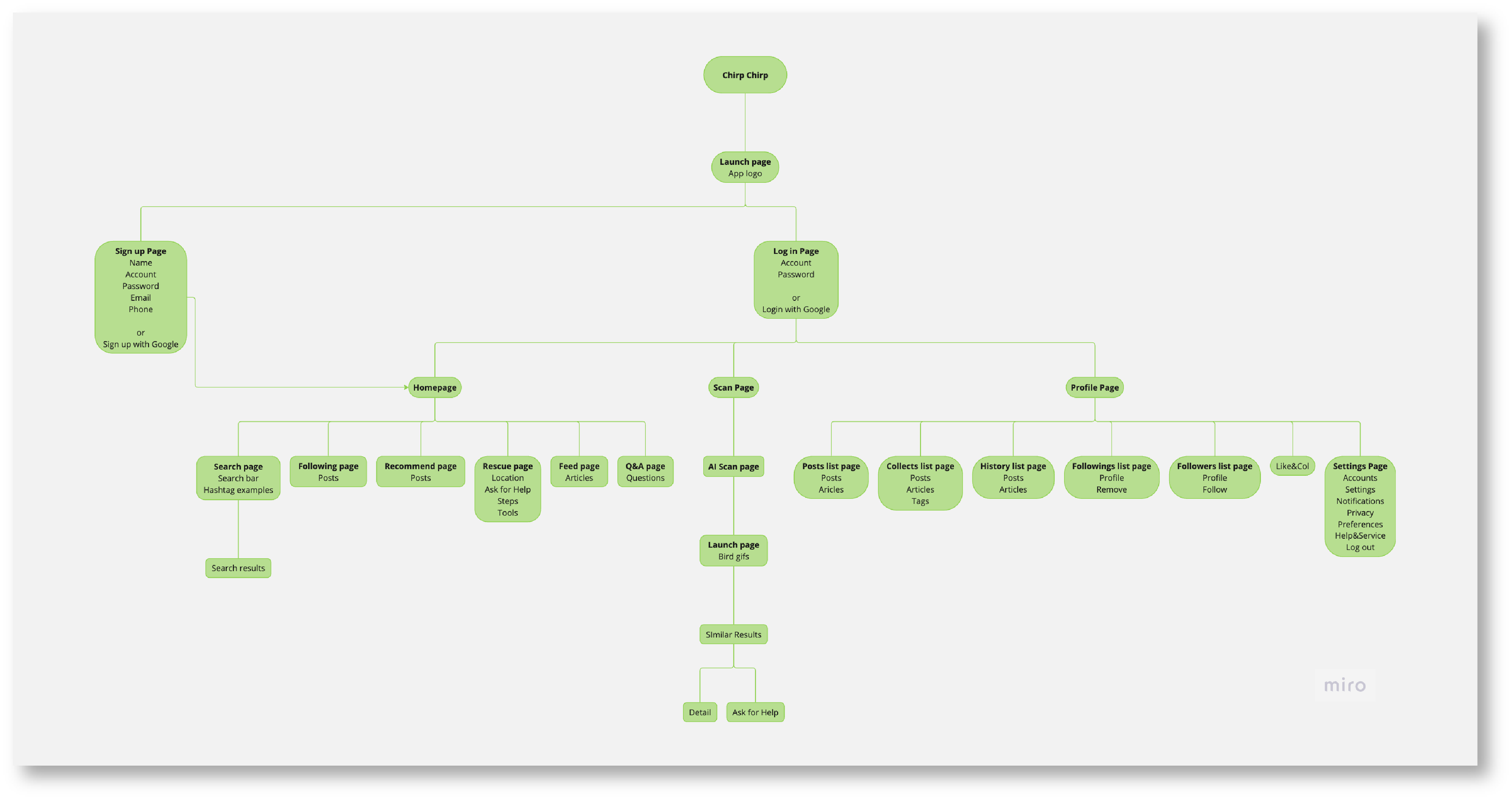
Information Architecture
The transformation of the user flow into an information architecture facilitates the subsequent creation of wireframes.
Wireframe & Test
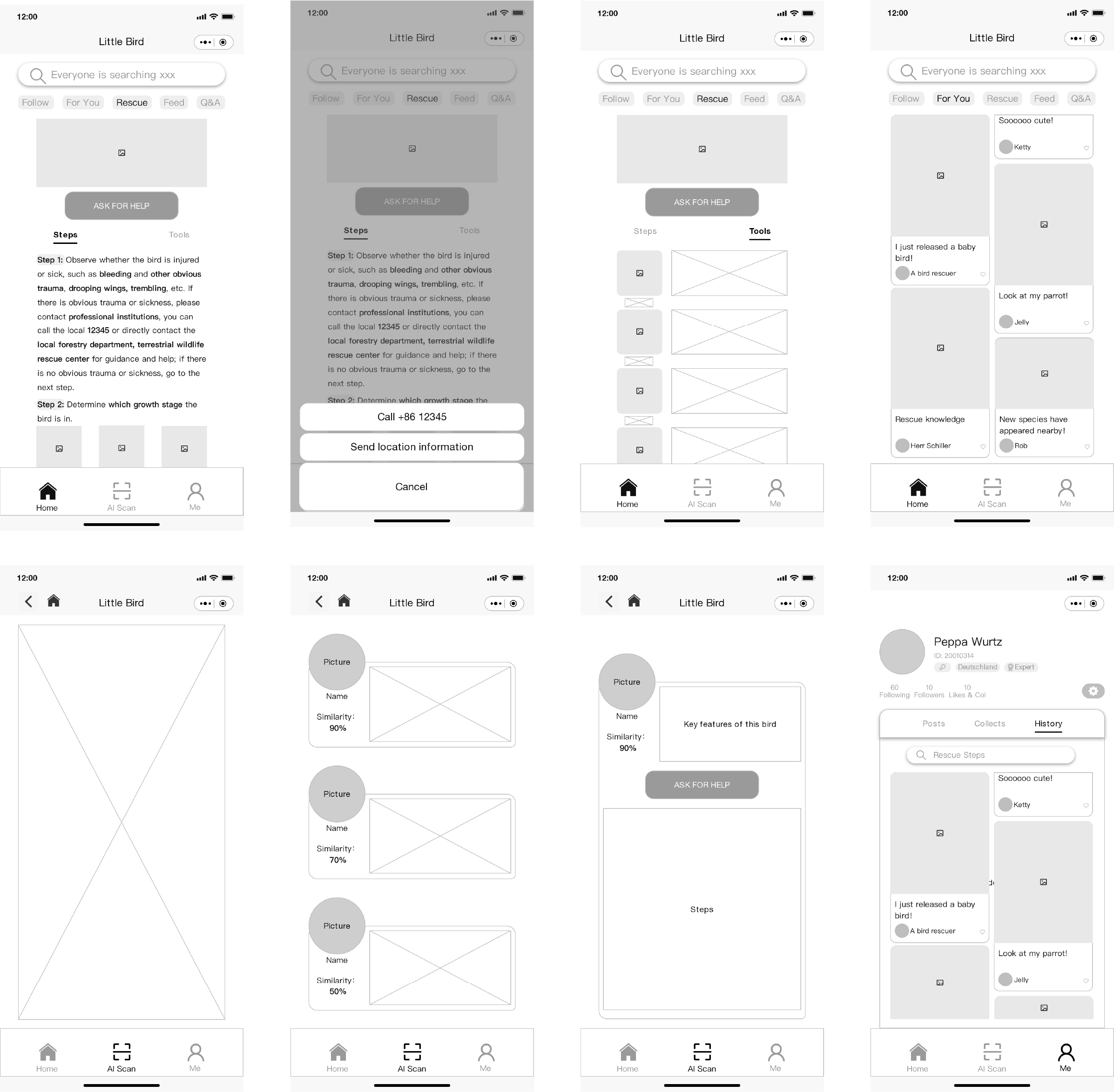
Wireframe & Usability Test
I developed the wireframe into a low-fidelity prototype and conducted a usability test to minimize future time waste and check whether the product has functions that need to be improved or added.
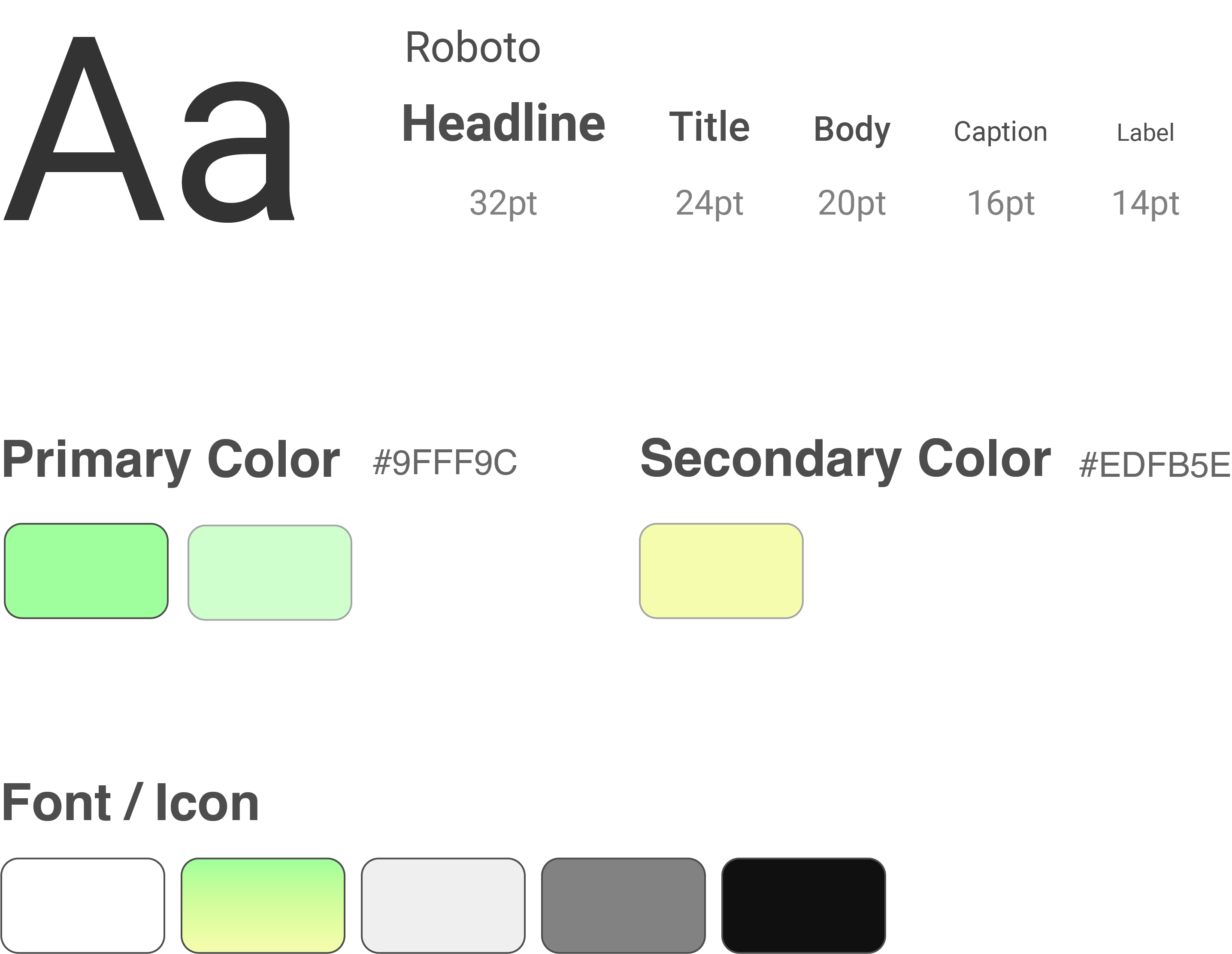
User Interface Design
On the rescue page, the current location can be determined, and the current condition can be immediately transmitted to nearby rescue teams and relevant institutions.
Additionally, the user can provide first aid by identifying the species, following instructions on the site, and using tools from the transport device.
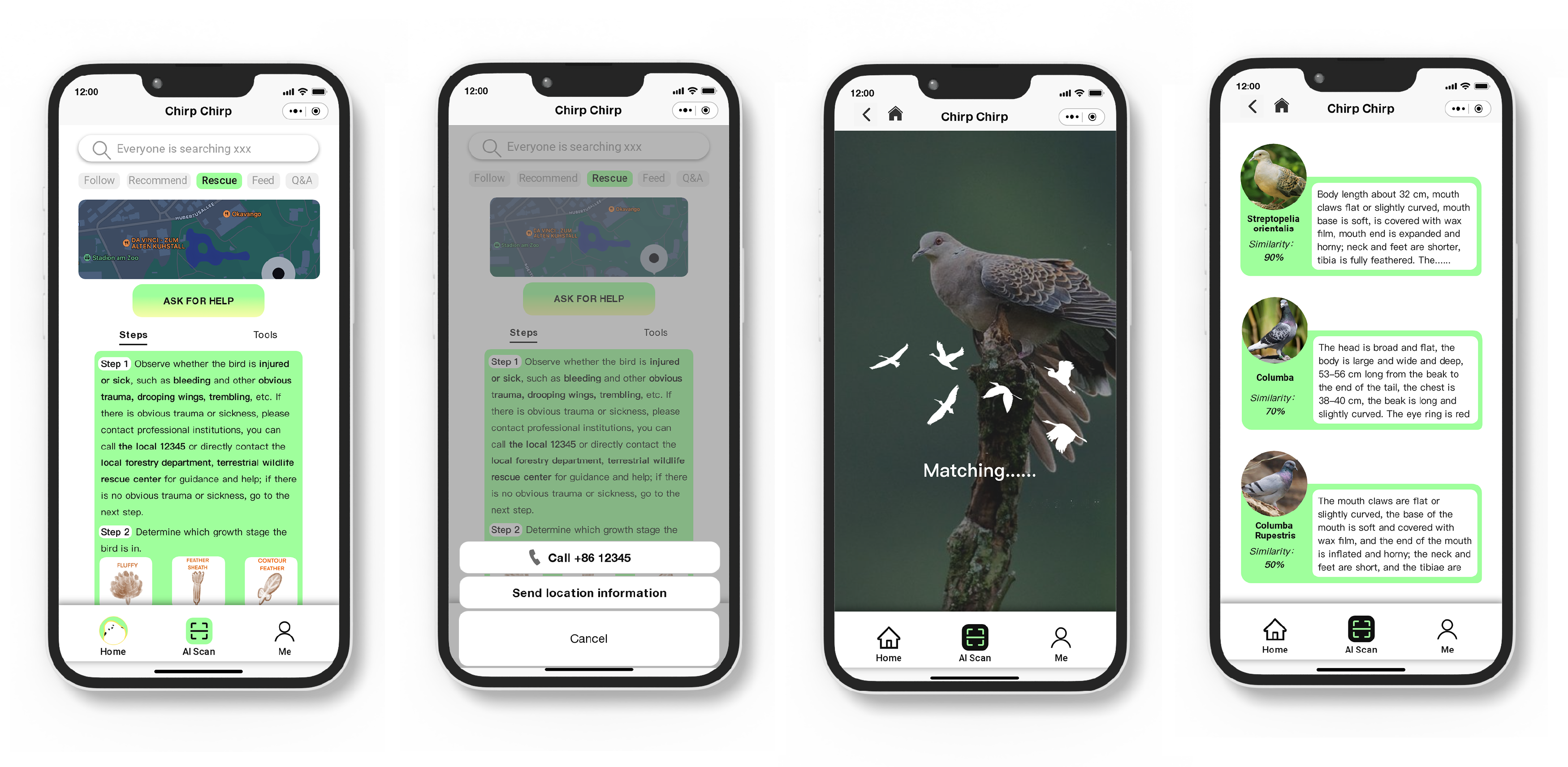
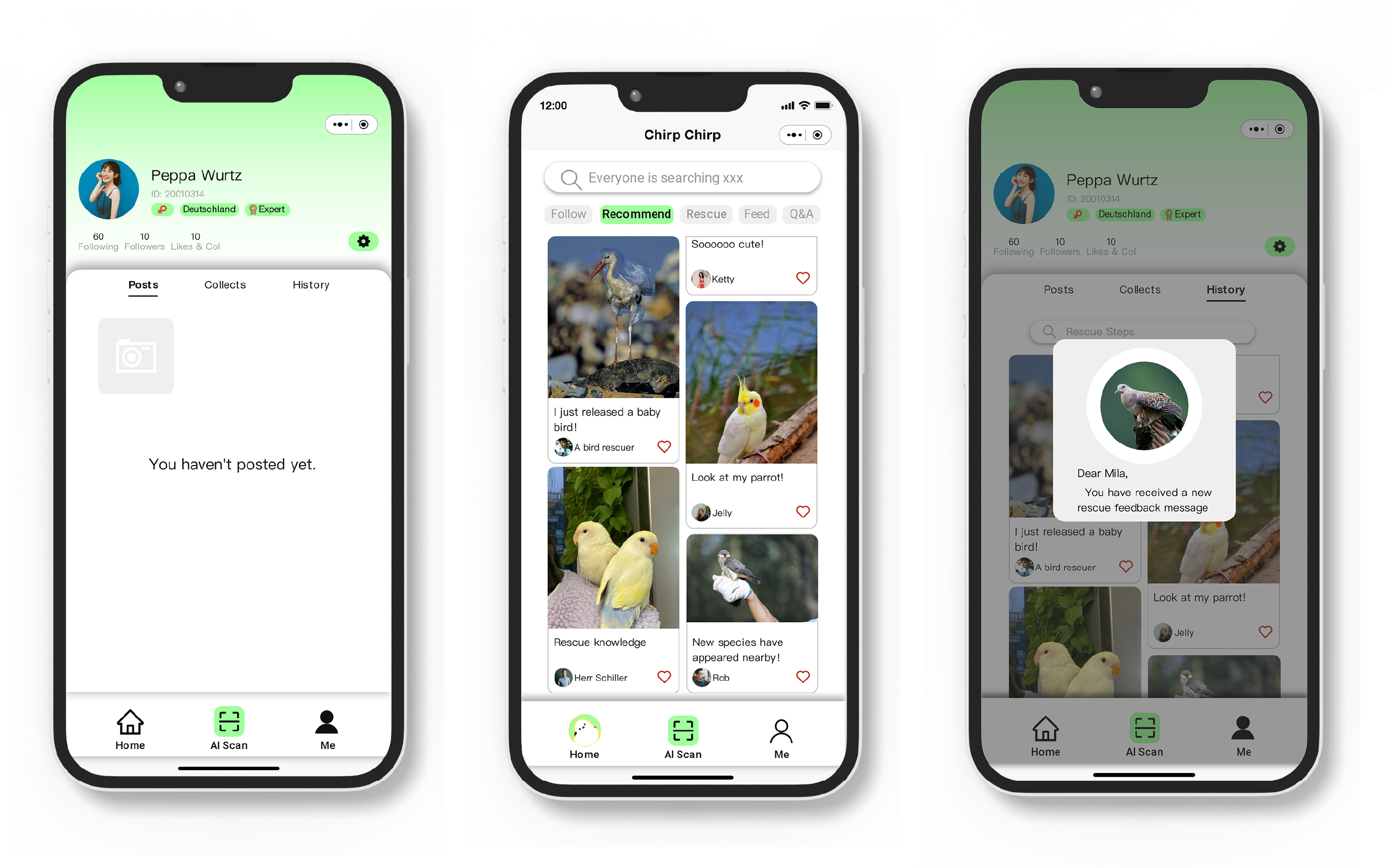
Users can not only participate in bird rescue actions but also become members of bird-related communities to gain more knowledge. By obtaining a certified qualification, they can also be included as rescue forces in the emergency system.
Furthermore, rescuers receive feedback on the progress of rescue actions, which increases their motivation to participate.
Product Design
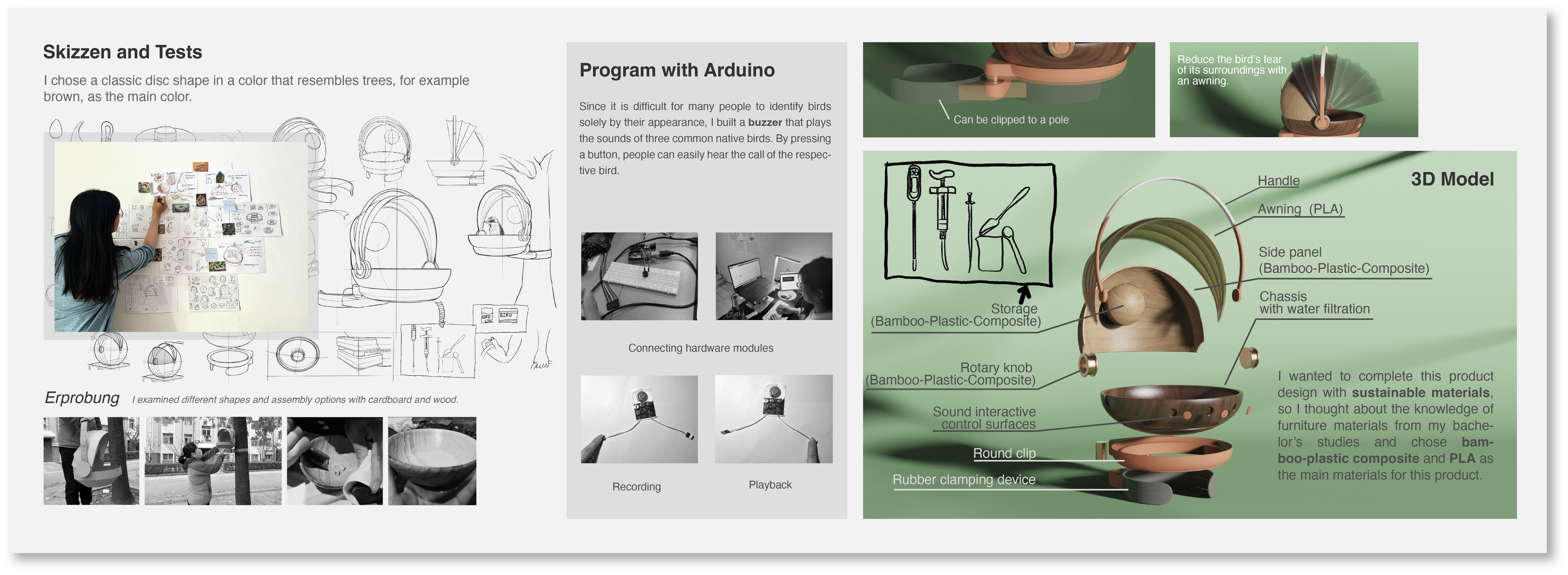
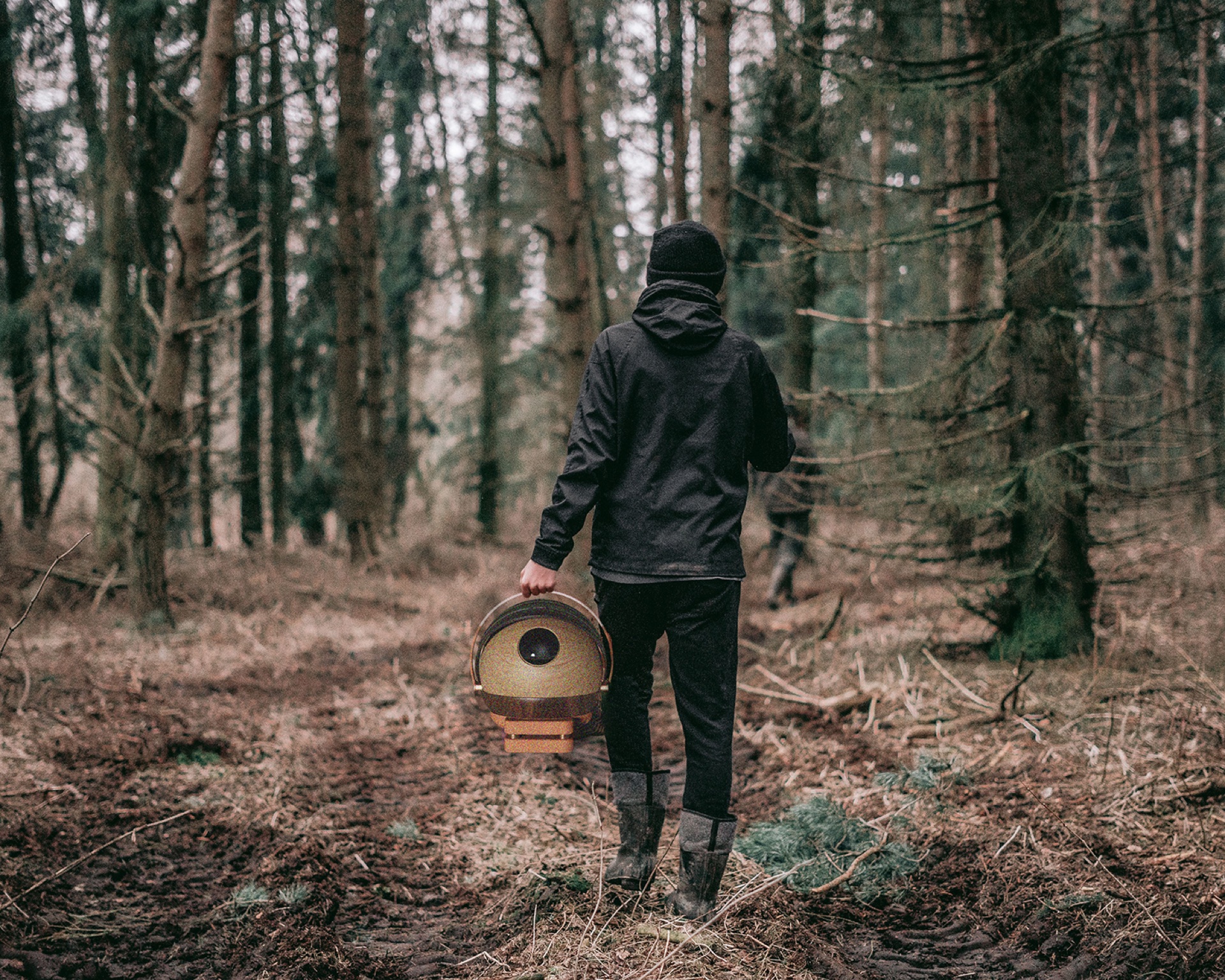
To create a complete system with the app, I also developed a product design. Based on the previous research, I designed a transport device for birds through sketches, models, and interactive devices.
You may also like